Chemical Safety
Know What You’re Working With.
Understand chemical compatibility, proper handling, and where to find important safety information.

Understand chemical compatibility, proper handling, and where to find important safety information.
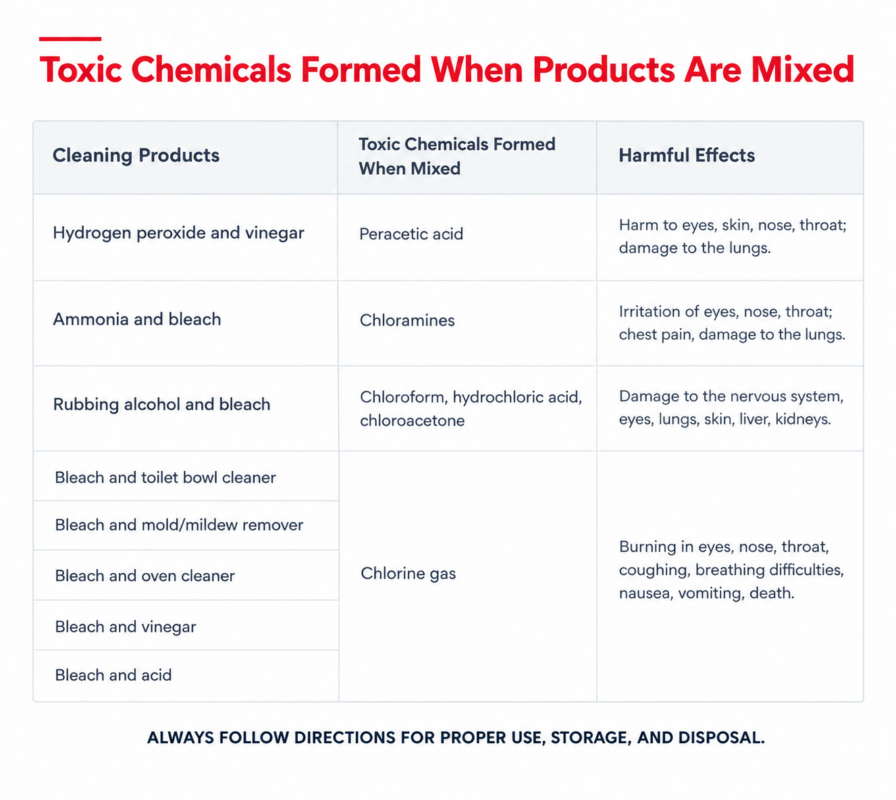
Combining cleaning chemicals can cause dangerous chemical reactions and may produce toxic gases or other hazardous substances.
Exposure to these fumes can cause irritation or burning of the eyes, nose, and throat, coughing, difficulty breathing, and serious respiratory injury. In severe cases, exposure can be life-threatening.
Never mix cleaning products unless the product label or Safety Data Sheet (SDS) specifically states that they are compatible.
Never drink or intentionally ingest any cleaning product.
Cleaning chemicals can cause serious injury if swallowed or if they come into contact with the eyes, skin, or respiratory system.

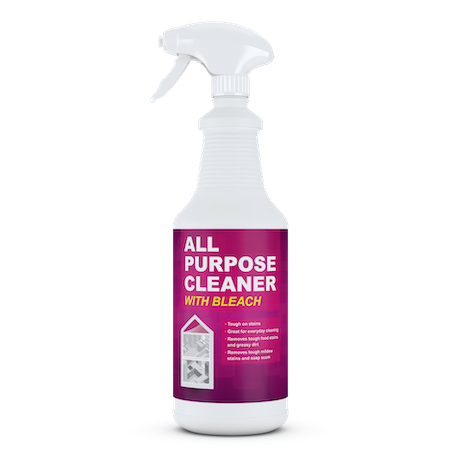
Never remove a chemical from its original container or transfer it into an unmarked container.
Original containers provide important information, including the product name, directions for use, warnings, and emergency information. Proper labeling helps prevent accidental misuse and chemical mixing.
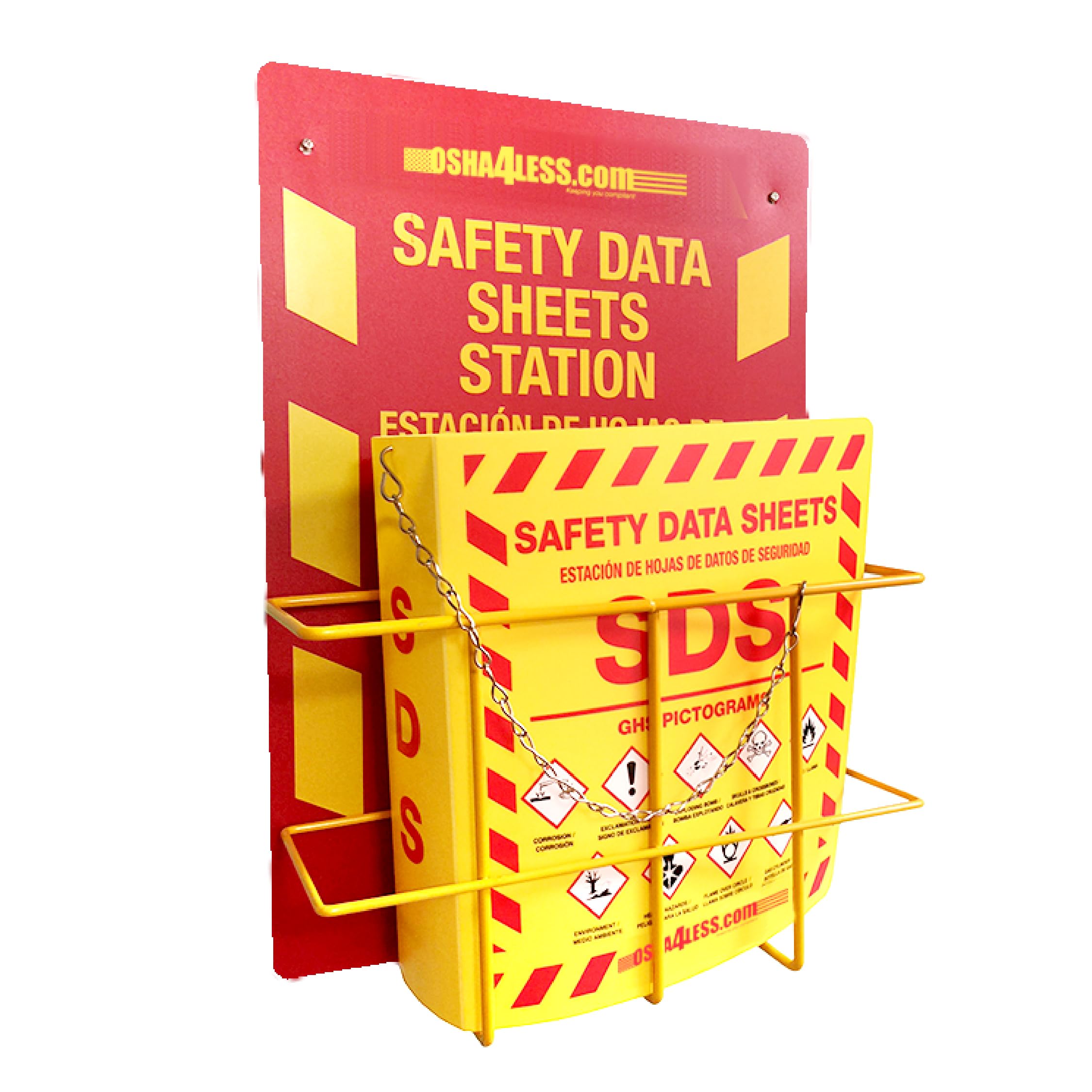
Every chemical product should have a Safety Data Sheet (SDS) available. SDS documents provide important information about a product, including:
Health and physical hazards
Safe handling and storage
Required personal protective equipment
First-aid measures
Spill and leak procedures
Exposure controls
Disposal information
SDS information is especially important in the event of a spill, accidental exposure, or other emergency.
Summit Supply provides SDS information for the products we supply. SDS documents are available through our website, making them easy to access when you need them.
Lime Safe and chlorinated sanitizer should never be mixed.
When an acid-based product such as Lime Safe is mixed with a chlorine-containing sanitizer, the reaction can release chlorine gas, which is extremely hazardous to breathe.
Exposure to chlorine gas can cause burning and irritation of the eyes, nose, throat, and lungs. Higher levels of exposure can cause severe respiratory injury and may be life-threatening.
Acid + Chlorine = Chlorine Gas
Always use cleaning and sanitizing products according to their labels and applicable safety instructions.
Below, you can find examples of chemicals that should never be mixed, the substances that may be produced when they are combined, and the potential hazards associated with those reactions.
When in doubt, don’t mix it. Check the product label or SDS first.